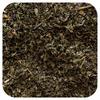
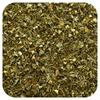
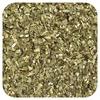
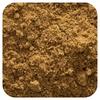
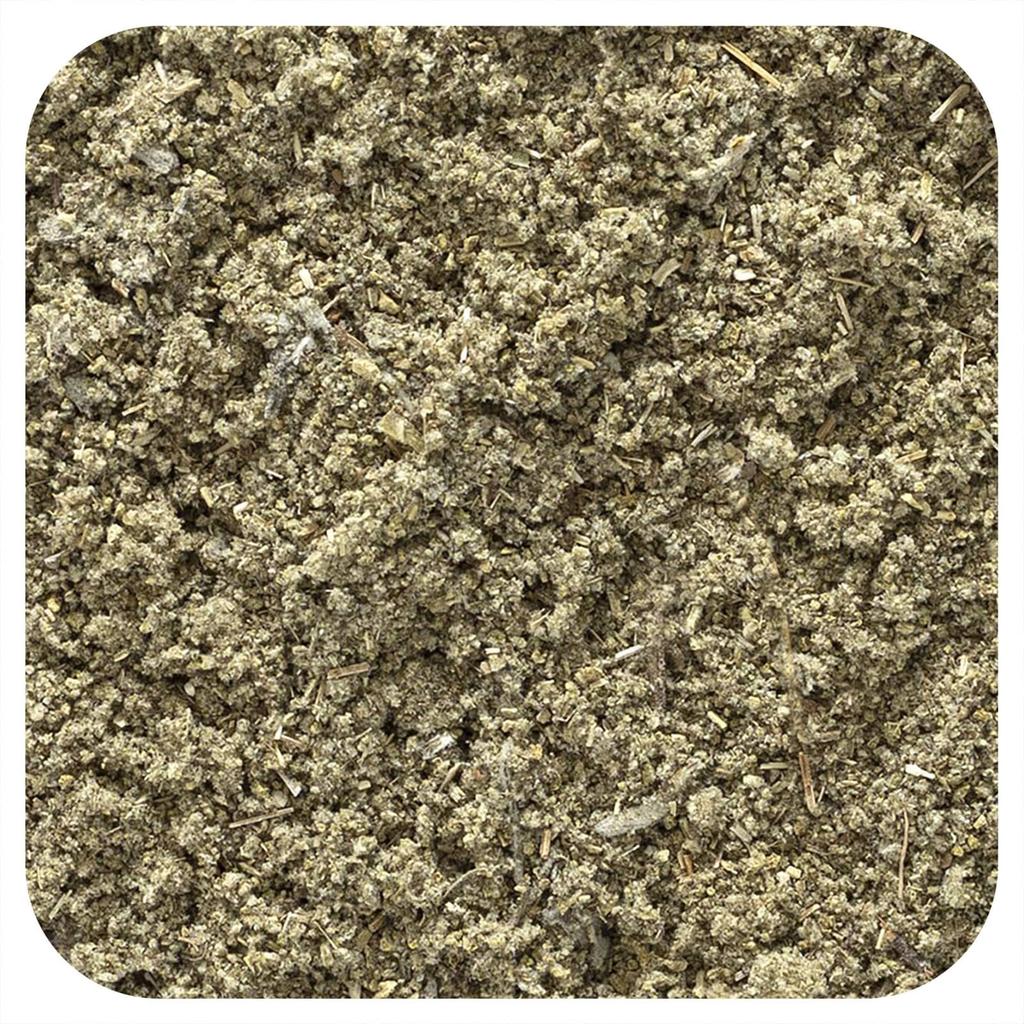
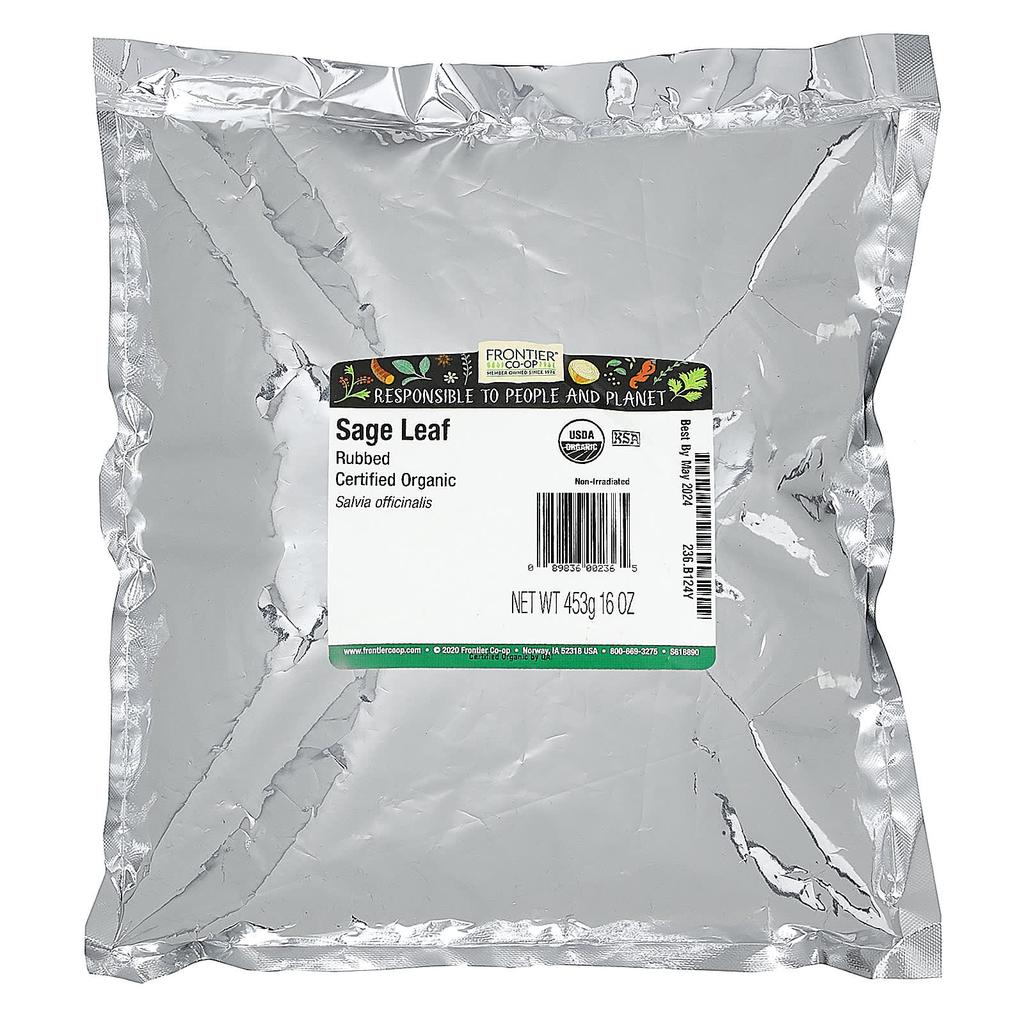
Product Description: Established in 1976 Cooperative Responsibility for People and the Environment USDA Organic Certified Sage (Salvia Officinalis) Radiation Free Kosher QAI Organic Certified Used for centuries as a seasoning and healing herb, sage has an intense pine and woody aroma, and a warm pine and earthy flavor. Traditionally used in meats, breads, rolls, and stuffing, sage is also a great winter tea to warm the body.
How to Use: Sage has a strong flavor, so use it sparingly. However, its flavor will last even after long cooking. Because of its strong flavor, use it with other strong-flavored spices such as garlic, thyme, and pepper. Historically, sage was used as a spice with meat, especially fatty meats such as pork, duck, goose, and game. Not only was the unique odor of these meats covered by the rich aroma of sage, but in the days before refrigeration, sage slowed the spoilage of meat. Today, sage is often used to flavor sausages, poultry, and other meats. Add sage to salad dressings, chowders, fish, and cheese dishes. Add it to breads, muffins, beans, poultry, and pumpkin dishes, breads, tomato sauces, hearty bean soups, gravies, and traditional fillings. Sage also makes a wonderful addition to butter or olive oil for pasta, rolls, and breads. Sage tea can be enjoyed with honey, especially in the winter months, to keep you warm and energized, and sometimes as a drink after a hearty meal. Sage leaves have also been used for centuries to improve the flavor of poor-quality wines. There are many uses for more than just cooking. The herb is an ingredient in shampoos and conditioners for dark hair. It is also an ingredient in deodorants, room air fresheners, mouthwashes, mouthwashes, and throat sprays.
ingredients : Serving size 1/4 teaspoon contains no nutrients of note. The 1-2.5% essential oil contained in sage gives the spice its flavor and aroma.
Ships from Korea


 No-delivery refund