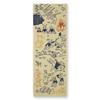
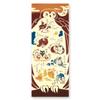
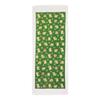
Made in Japan / Material: 100% cotton / Prime fabric / *Color may fade due to hand dyeing. *Color may transfer if wet. *Do not leave wet. *When washing, hand wash separately from other items.
Size: Approx. 33cm x 90cm / *Please note that the color of the product may vary slightly depending on your PC environment.
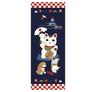
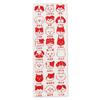
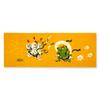
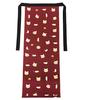
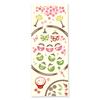
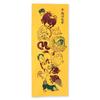
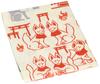
This is a tenugui towel with a spring pattern, symbolizing the auspicious meaning of "kamawanu." A riddle is a combination of a sickle, circle, and nu, which can be read as "kamawanu." A riddle involves guessing the hidden words in letters or pictures. "Kamawanu" means "I don't care" or "Does it matter?", and expresses the spirit of Edo townspeople who would sacrifice themselves to help the weak. Enjoy these classic patterns, each with its own meaning.
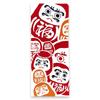
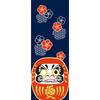
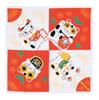
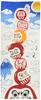
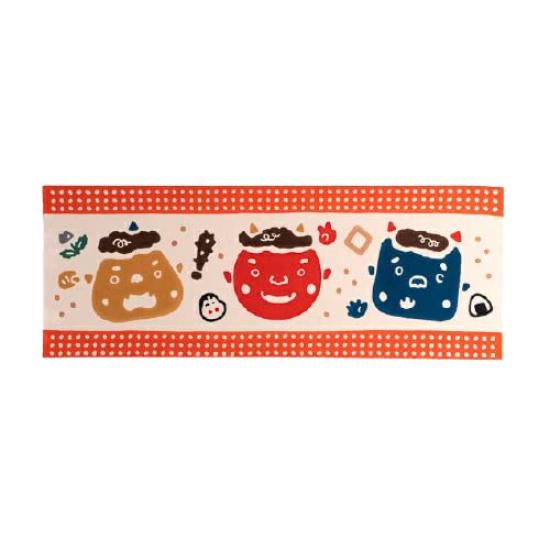
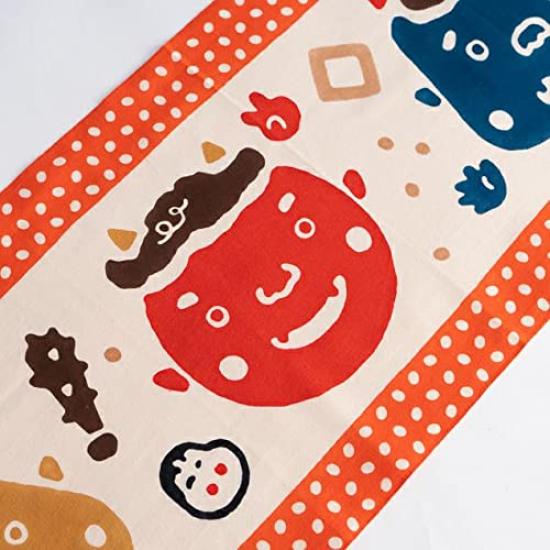
[Motif] Decorating ehomaki at kindergarten or home will make Setsubun celebrations even more fun. You can also wrap it around your face or head to reveal the red demon in the center. The border pattern is a bean-dyed design, in keeping with Setsubun. Setsubun is a traditional Japanese event to ward off evil spirits and bring happiness at the change of seasons. Throwing beans while chanting "Oni wa soto, fuku wa uchi" (demon out, good fortune in) is considered an auspicious ritual to ward off bad luck and misfortune and pray for safety and health in the home. Additionally, the custom of eating one bean per person's age symbolizes good health and longevity. Eating ehomaki while facing the lucky direction of the year is said to bring happiness and prosperity, and Setsubun is an important custom that prays for family bonds and a rich life.
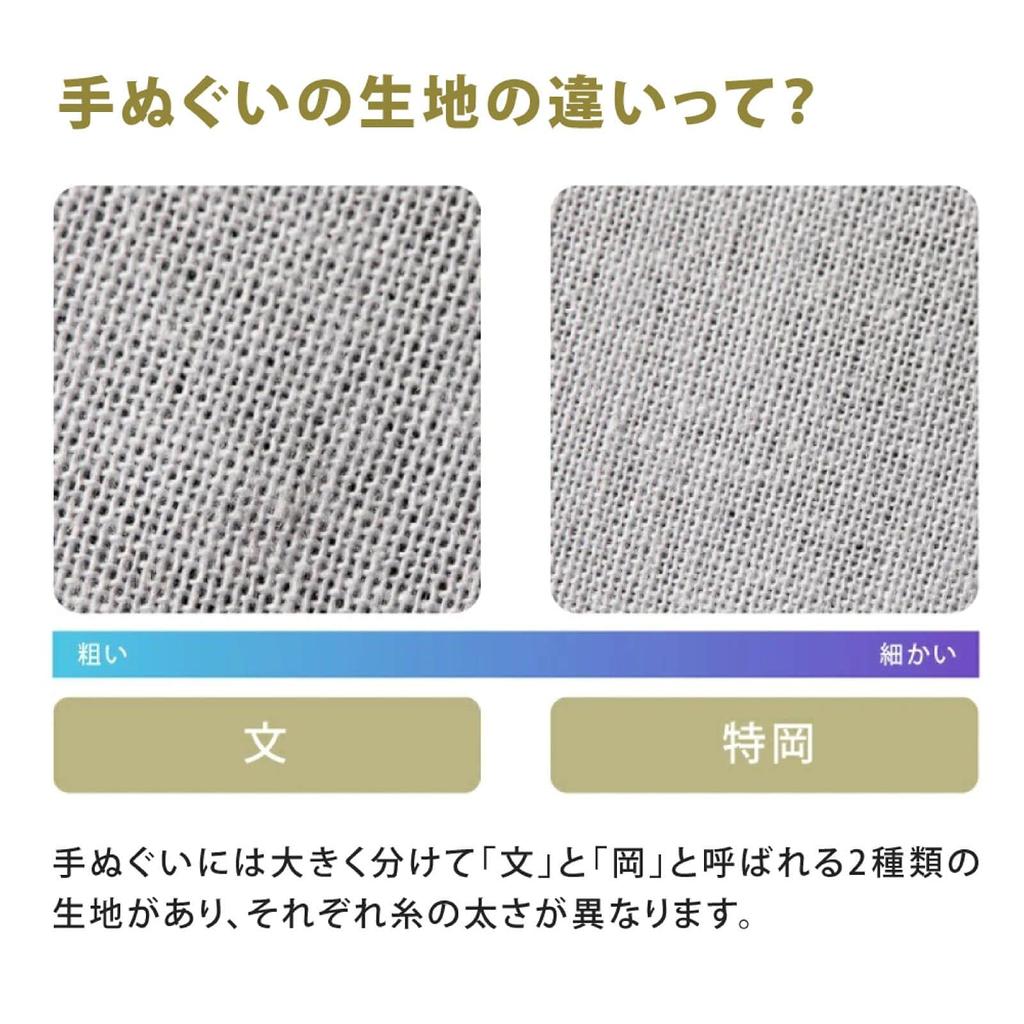
Kamawanu tenugui towels are made with Sori (textile) fabric. Compared to the Tokuoka fabric used for picture tenugui, this fabric is coarser and thicker. However, it is highly absorbent and breathable, making it a practical tenugui. The appeal of Sori fabric is that it develops a unique character with use.
Tenugui were originally cloths used mainly for wiping away sweat and water, and for washing the body when bathing, and the edges are left uncut rather than folded and sewn to make them easier to dry after use and to prevent dirt from accumulating on the edges of the fabric, making them hygienic. The ends are also intentionally left unsewn so that they can be torn off and used as bandages or thongs for first aid.
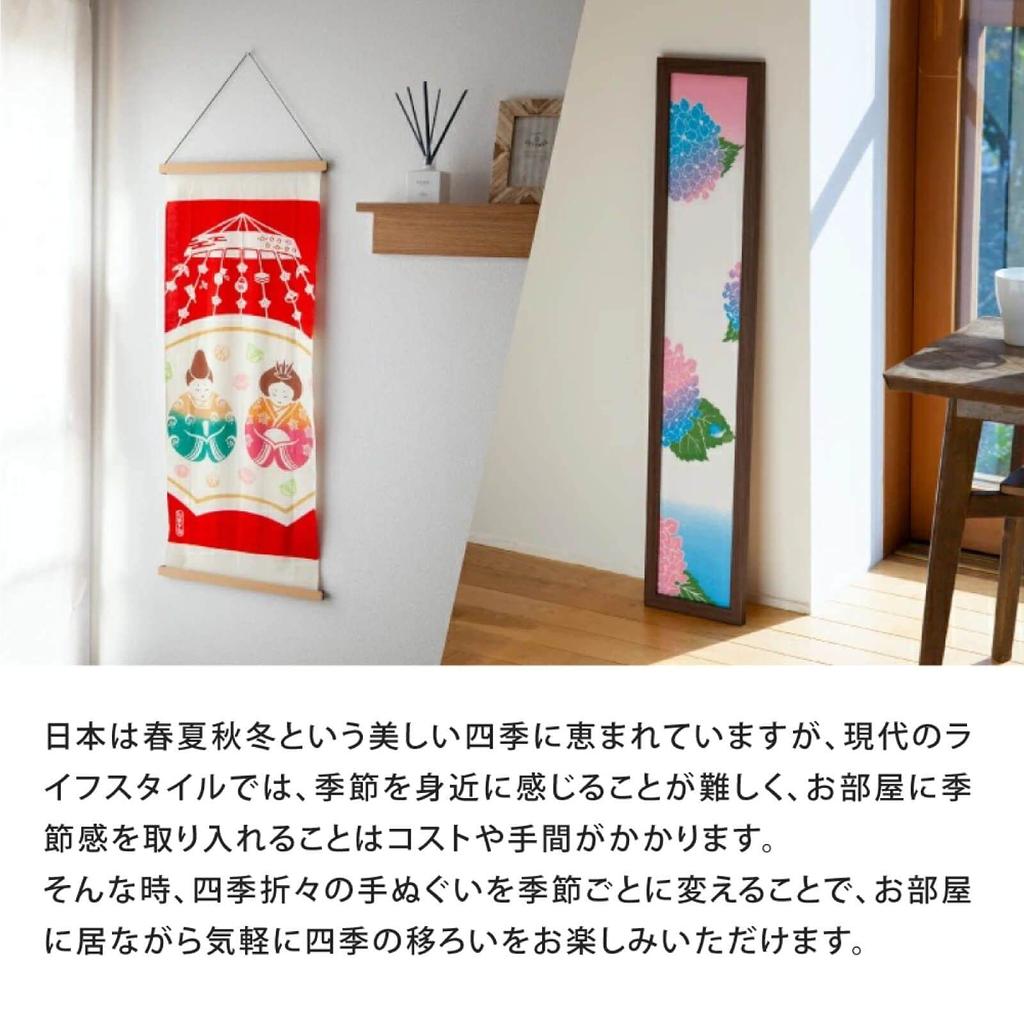
Japan is blessed with four beautiful seasons: spring, summer, autumn, and winter. Since ancient times, Japanese people have incorporated the changes of the seasons into their lives and enjoyed them. However, in modern lifestyles, it is difficult to feel the seasons close to us, and incorporating a seasonal feel into our rooms can be costly and time-consuming. In such cases, by changing your tenugui towels with each season, you can easily enjoy the changing of the seasons without leaving your own home.
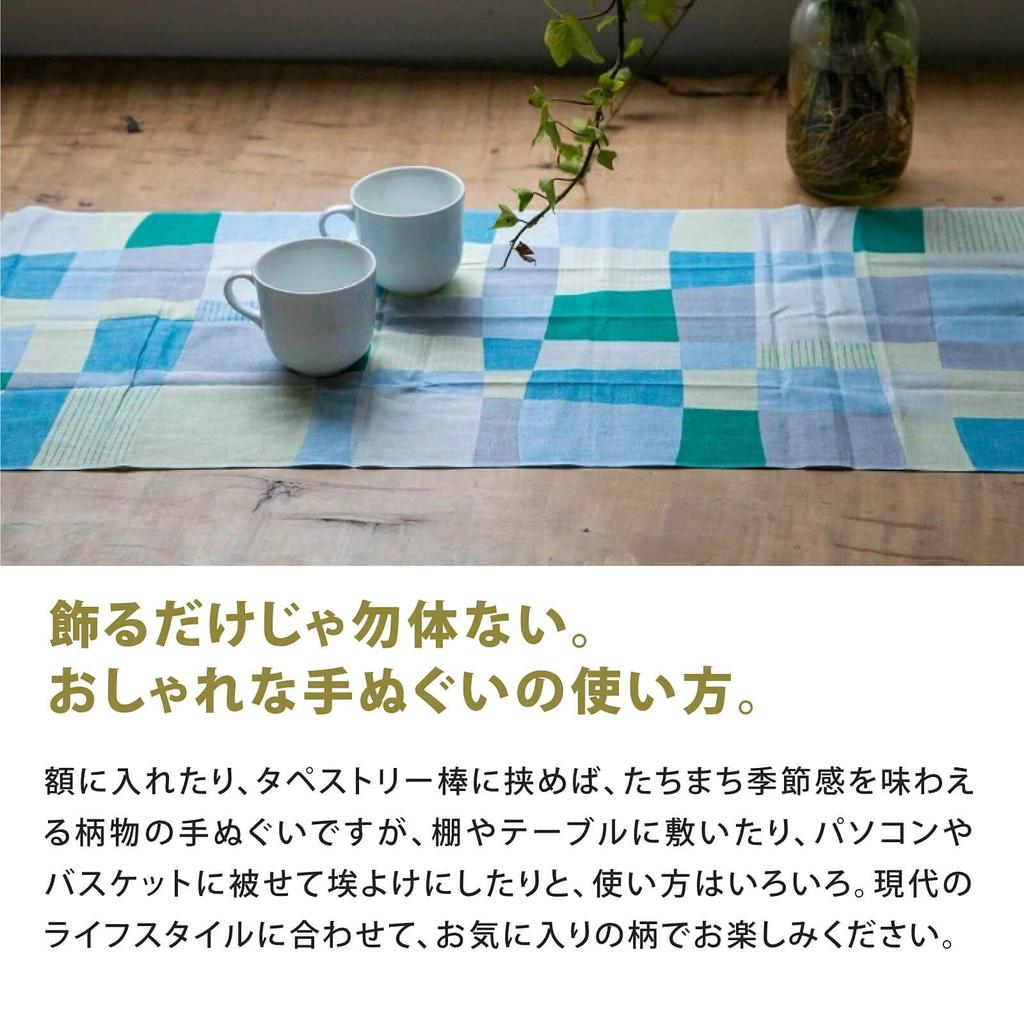
You can use tenugui towels as hand towels or placemats, or lay them on the dishes to keep away dust or drain. In addition to using them for their original purpose of wiping your hands or displaying them beautifully as interior décor, why not incorporate tenugui towels into your daily life? Don't throw them away when they get old; sew them back together if they get frayed, and finally use them as dust rags. You can use them until the very end.
[Major uses] Towels, hand towels, kitchen towels, kitchen cloths, kitchen napkins, table runners, shelf runners / interior art, art frames, tapestries / kimono half-collars, obiage, ribbons, scarves / can be used as remade scraps to make a variety of items such as scrunchies, bags, obi, masks, etc.


 Vrátenie peňazí za nedoručenie