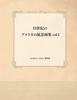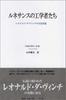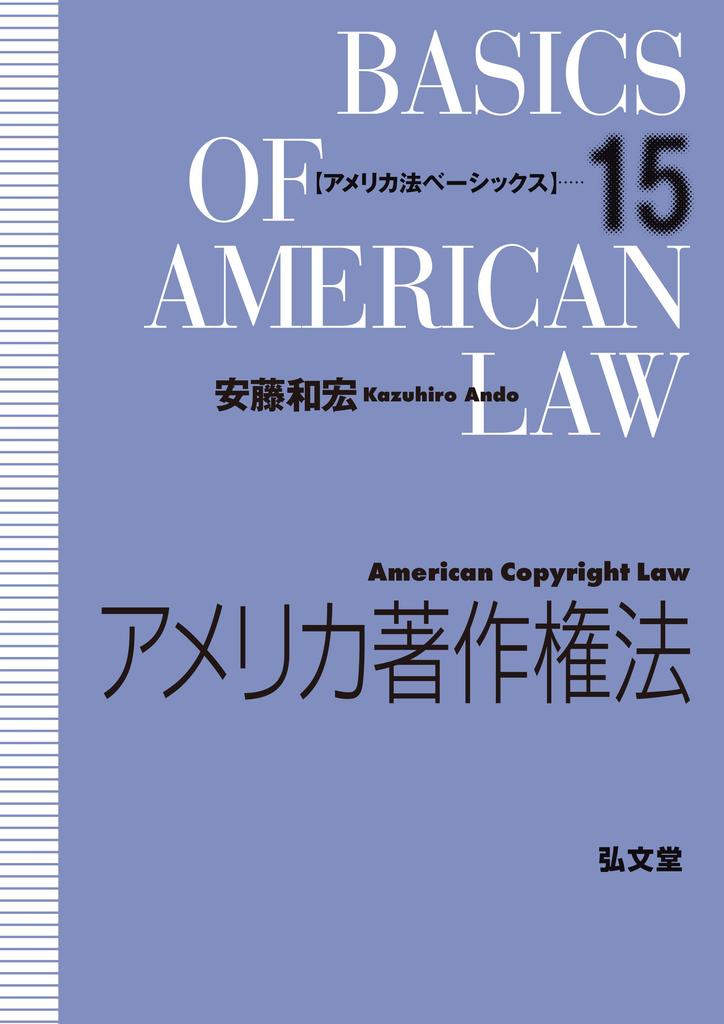
USA. Autorský zákon (USA. Základy práva 15)


 Vrátenie peňazí za nedoručenieZáruka kvalityBezpečná logistikaOchrana súkromia
Popis
Ako popredná svetová zábavná mocnosť podporuje kreativitu?
Spojené štáty sa pýšia najväčším svetovým trhom v oblasti filmu a hudby.
Hoci je to tiež zábavná veľmoc, jeho systémový dizajn a základná filozofia, vrátane práva na čestné použitie, práva na ukončenie a práva na nezničenie, sa výrazne líšia od Japonska.
Táto kniha živo zobrazuje svoje charakteristiky a príťažlivosť, pričom skúsený praktik, ktorý podporuje tvorcov, poskytuje jasné a pútavé vysvetlenia prípadových precedentov.
Prvý komplexný prehľad pre hlboké pochopenie amerického systému autorských práv!
[Obsah] Kapitola 1: Pozvánka do amerického autorského práva ja. Americký federálny súdny systém—Otázky autorských práv patria do právomoci federálnych súdov— II. Historické zmeny v autorskom práve – od zákona z roku 1790 cez zákon z roku 1909 až po zákon z roku 1976 – III. Význam autorského systému—Odôvodnenie autorského práva—
Kapitola 2: Požiadavky na ochranu autorských práv a systém registrácie ja. Aké druhy tvorivých diel sú chránené autorským právom?—Od formalizmu k neformalizmu— II. Formálne požiadavky—Aké sú výhody systému pripisovania a registračného systému?— III. Informácie chránené autorským zákonom—Určite prerobíte, ak to nebudete vedieť—
Kapitola 3: Predmet autorského práva ja. Literárne diela—Tvorivé diela vyjadrené prostredníctvom jazyka— II. Hudobné diela—Tvorivé diela vyjadrené prostredníctvom zvuku— III. Dramatické diela—Tvorivé diela vyjadrené prostredníctvom príbehov— IV. Pantomíma a tanečné diela—Tvorivé diela vyjadrené pohybom tela— V. Maľby, Grafika a Sochy—Večná výzva úžitkového umenia— VI. Filmy a iné audiovizuálne diela – Kreatívne diela vyjadrené prostredníctvom obrazu – VII Zvukové záznamy – Ochrana zvuku – VIII Architektonické diela – Posledné dielo, ktoré sa pridalo do triedy – IX Zbierka prác – Tvorivé diela vyjadrené prostredníctvom strihu – X Odvodené diela – Ako malé korytnačie mláďa jazdiace na chrbte matky korytnačky –
Kapitola 4: Predmety autorského práva I Kto sú autori diel generovaných umelou inteligenciou? – Značka kreatívneho prínosu – II Spoločné diela – Diela vytvorené tímami – III Diela vytvorené v zamestnaní spisovateľa – Diela vytvárané vo veľkých množstvách každý deň –
Kapitola 5: Prevod práv a neznáme použitia I Prevod práv a systém registrácie určujúci prioritu prevodov – Nevyhnutné vedomosti, aby ste sa vyhli podvodu – II Metódy interpretácie zmlúv týkajúcich sa prevodu práv – Prístup striktnej interpretácie a prístup racionálnej interpretácie – III Súdne prípady týkajúce sa výkladu zmlúv o neznámych použitiach – Sudcovia v boji – IV Prístup prísnej interpretácie alebo prístup racionálnej interpretácie? – Typ samostatného použitia a typ použitia materiálu –
Kapitola 6: Doba ochrany I Doba ochrany bola predĺžená opakovanými zákonnými zmenami – od dátumu registrácie po dátum vydania a potom po dátum úmrtia – II. Prečo bol princíp dátumu úmrtia zavedený v zákone z roku 1976?—Vysvetlenie v správe Snemovne— III. Zákon Sonnyho Bona, ktorý predĺžil život Mickeyho Mousea—Zachráňte Mickeyho! — IV. Je zákon Sonnyho Bona protiústavný? — Aké bude rozhodnutie Najvyššieho súdu? — V. „Neviem, kedy autor zomrel...“ — Systém predpokladu pre tých z vás v takejto situácii —
Kapitola 7: Systém práv na ukončenie ja. Systém obnovenia — Počiatočné obdobie ochrany + obdobie obnovenia — II. Systém práv na ukončenie zmluvy — Autori potrebujú dve príležitosti na uzatvorenie zmluvy — III. Nové výhody systému práv na ukončenie — Zamedzenie nečinnosti diel —
Kapitola 8: Nezmluvné práva ja. Systém ochrany pre výtvarné umenie — Unikátny americký právny systém — II. Ochrana výtvarného umenia podľa VARA — Majetkové práva podľa federálneho zákona — III. Súdne prípady týkajúce sa diel so známym menom — Posudzovanie umeleckej hodnoty je náročné — IV. Budúcnosť práva na zabránenie zničeniu — Aký je osud zničených umeleckých diel? —
Kapitola 9: Výhradné práva ja. Práva k rozmnožovaniu — Najzákladnejšie právo — II. Práva na úpravu — Právo zakázať vytváranie odvodených diel — III. Práva na rozširovanie — Právo kontrolovať rozširovanie diel chránených autorským právom — IV. Práva na verejné predvádzanie a vystavovanie – Právo zakázať nehmotné použitie diel chránených autorským právom – V. Práva na digitálny prenos zvuku z nahrávok – Dieťa sieťového veku –
Kapitola 10: Spravodlivé použitie ja. História spravodlivého použitia – Jeho pôvod v prípade Folsom v. Mokradlo v roku 1841 – II. Štyri prvky fair use – Metóda posudzovania pomocou faktorovej analýzy – III. Významné súdne prípady týkajúce sa fair use – Množstvo dôležitých prípadov – IV. Mal by sa do japonského práva zaviesť koncept „fair use“? – Diskusia pokračuje –
Kapitola 11: Obmedzenia práv ja. Obmedzenia autorských práv pre verejné predvádzanie a vystavovanie II. Sekundárny prenos – Služba hrajúca významnú rolu v americkej spoločnosti – III. Obmedzenia dočasného upevnenia pre prenos IV. Systém zákonného udeľovania licencií pre verejnoprávne vysielanie V. Predstavenie od Jukebox VI. Systém povinných licencií pre nahrávky hudobných diel VII. Obmedzenia autorských práv na zvukové záznamy VIII. Obmedzenia autorského práva na maľby, grafiky a sochárske diela IX. Obmedzenia týkajúce sa architektonických diel X. Reprodukcia knižnicami a archívmi XI. Reprodukcia a adaptácia počítačových programov XII. Reprodukcia a prispôsobenie pre osoby so zdravotným postihnutím Kapitola 12: Práva a ochrana interpretov ja. Ochrana podľa zmluvného práva—Zabezpečenie oprávnených záujmov prostredníctvom zmlúv II. Ochrana podľa kolektívnych zmlúv—Odbory ako spojenci slabších III. Ochrana podľa federálneho autorského práva – Hrozivý nepriateľ známy ako diela zamestnancov IV. Ochrana podľa autorského práva Common Law — Nehmotné diela V. Ochrana podľa práva na podobizeň – Mocná zbraň daná celebritám VI. Ochrana podľa zákona Lanham—Ochrana pred klamlivým označením VII. Mal by sa Japonsko snažiť o zavedenie a rozšírenie kolektívnych zmlúv v americkom štýle? Kapitola 13: Porušenie a nápravné prostriedky ja. Požiadavky na uplatnenie porušenia autorských práv—Podmienky na víťazstvo v spore II. Významné súdne prípady—Obtiažnosť určenia podobnosti alebo nepodobnosti III. Občianskoprávne prostriedky nápravy—Aké prostriedky nápravy môžu dostať držitelia práv? IV. Trestné sankcie—Odňatie slobody a pokuty—
Kapitola 14: Nepriame porušenie ja. Doktrína práva na postúpenie pohľadávky—Takzvaná zodpovednosť za zanedbanie dohľadu— II. Doktrína spolupáchateľstva pri porušení—Ak pomáhate porušovateľovi, stávate sa tiež porušovateľom— III. Súdne spory týkajúce sa nepriameho porušenia v kyberpriestore—Vznik P2P služieb—
Kapitola 15: DMCA ja. Obmedzenie zodpovednosti pre poskytovateľov online služieb—Poskytovatelia online služieb sú v právne nestabilnej pozícii— II. Ochrana technologických prostriedkov – Je DMCA nadmernou ochranou?— III. Ochrana informácií o správe autorských práv—Ich význam a zakázané konanie—
Kapitola 16: Priesečník federálnych a štátnych zákonov ja. Vzťah medzi federálnymi a štátnymi zákonmi—Federálny zákon má prednosť pred štátnym zákonom— II. Čo je právo sledovania priznané autorom umeleckých diel?—Liek pre nešťastných umelcov— III. Zákon o práve na prenasledovanie v Kalifornii – Jediný zákon o práve na prenasledovanie v Spojených štátoch – IV. Vzťah medzi kalifornským zákonom o práve na prenasledovanie a klauzulou o medz štátnom obchode – Ďalšie súdne procesy pokračujú – V. Budúcnosť zákona o práve prenasledovania v Kalifornii—Život alebo smrť—