What did it bring to the world and to humanity?
A look at the successes and failures of the ambitious Space Shuttle program.
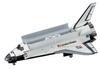
The Space Shuttle, which ushered in the era of full-scale manned space flight, retired in July 2011,
bringing a close to its long history.
Through 135 launches, the Shuttle accomplished numerous space development projects, including the construction of the International Space Station.
This program traces the 40-year history of the Shuttle, from its development to its demise,
and introduces the achievements of its astronauts.
It also examines the causes of two accidents that claimed the lives of 14 people,
and the circumstances that led to the end of the Shuttle's flights, looking back at the Shuttle's successes and failures.
[Contents]
Part 1
This program explores the design of a "reusable winged spacecraft," which began in the 1960s,
research into materials and methods that could withstand the high temperatures of atmospheric re-entry,
and the manned flight that was carried out without an unmanned test flight. It also introduces the astronauts' lives aboard the Shuttle,
while providing a behind-the-scenes look at development, including the design of a "reusable winged spacecraft,"
research into materials and methods that could withstand the high temperatures of atmospheric re-entry,
and the behind-the-scenes development of the Shuttle,
while also showcasing life on board the Shuttle.
Part 2
This program traces the Challenger and Columbia disasters and the investigation into their causes through testimony from those involved, while also showcasing the difficult missions the shuttle overcame and successfully carried out.
Included Bonus: Booklet: "The Shuttle's Role and the Future of Space Development"
Broadcast on NHK-BS1 on November 17 and 18, 2011
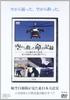
![The Space Shuttle's Last Flight [DVD]](https://img.joomcdn.net/f9d9151e497644a5905384ec80e481e616143f21_original.jpeg)


 Vrátenie peňazí za nedoručenie